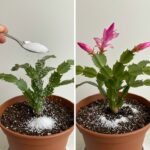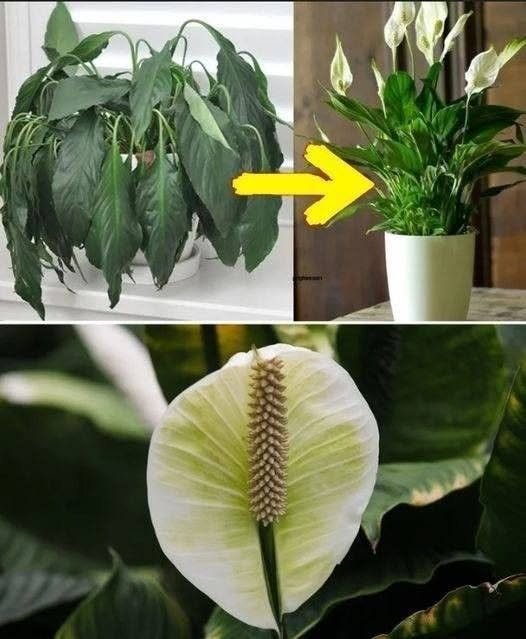

Have you ever wondered whether a simple tablespoon of something from your kitchen could help your houseplants grow healthier, greener, and stronger? Many gardening enthusiasts love discovering inexpensive household tricks that make plant care easier.
Sometimes, the smallest changes can make a noticeable difference. But before adding anything to your favorite flowers, it’s important to understand what plants actually need and which household ingredients are safe.
One tablespoon of the right material may help improve certain growing conditions, while the wrong ingredient could damage roots, disturb the soil, or attract unwanted insects.
Let’s explore some simple household plant-care tricks, what they can do, and how to use them properly.
1. A Tablespoon of Compost: A Natural Source of Nutrients
One of the most useful additions to many houseplants is mature, properly prepared compost.
Compost contains organic matter and can help improve soil structure, moisture retention, and microbial activity.
How to use it:
-
Choose fully matured, finished compost.
-
Add a small amount to the soil surface.
-
Gently mix it into the upper layer without disturbing the roots.
-
Water according to the plant’s normal requirements.
A tablespoon may be sufficient for a small pot, but larger containers require different amounts.
Avoid unfinished compost because it may contain unstable organic material and harmful microorganisms.
2. A Tablespoon of Worm Castings: Gentle Soil Improvement
Worm castings are a popular organic gardening material produced by earthworms.
They contain organic matter and nutrients that can support healthy soil conditions.
Potential benefits include:
-
Improving soil structure.
-
Supporting beneficial soil microorganisms.
-
Providing small amounts of plant nutrients.
-
Helping maintain a healthy growing environment.
Sprinkle a small amount over the soil surface and water gently.
Remember that worm castings are not a complete replacement for a balanced fertilizer when a plant has specific nutritional requirements.
3. A Tablespoon of Rice Water: Is It Really Helpful?
Rice water is a popular household gardening suggestion.
Some people believe it provides nutrients that encourage plant growth. However, its nutrient content varies, and there is limited reliable evidence that ordinary rice-rinsing water provides meaningful benefits to houseplants.
If you want to experiment, use plain, unsalted water from rinsing uncooked rice.
Avoid:
-
Salted cooking water.
-
Water containing oil.
-
Water containing spices or sauces.
-
Fermented rice water that has developed an unpleasant smell.
Use ordinary clean water as your main watering source.
4. A Tablespoon of Coffee Grounds: Be Careful!
Coffee grounds are often recommended as a natural fertilizer, but using them directly in indoor plant pots is not always a good idea.
Fresh coffee grounds can contain compounds that may affect plant growth. Thick layers of used grounds can also encourage mold and interfere with water movement through the soil.
If you want to recycle coffee grounds, compost them properly first.
Don’t assume that every plant loves acidic soil. Different species have different soil requirements.
5. A Tablespoon of Crushed Eggshells: What Do They Actually Do?
Eggshells contain calcium carbonate, which can eventually contribute calcium to soil.
However, crushed eggshells break down slowly, meaning they are not an effective quick treatment for a calcium deficiency.
For safe use:
-
Wash the eggshells.
-
Allow them to dry completely.
-
Crush them into very small pieces.
-
Add them to a composting system rather than relying on them as an immediate fertilizer.
For indoor plants, a suitable commercial fertilizer is generally more predictable.
6. A Tablespoon of Cinnamon: Can It Protect Your Plants?
Cinnamon is frequently mentioned in gardening tips because laboratory studies have investigated certain antifungal properties of cinnamon compounds.
However, ordinary kitchen cinnamon has not been established as a reliable treatment for plant diseases.
Sprinkling cinnamon on every plant will not prevent all fungal infections or repair damaged roots.
Instead, focus on:
-
Avoiding excessive watering.
-
Providing proper drainage.
-
Removing infected plant material.
-
Improving air circulation.
-
Using an appropriate plant treatment when necessary.
7. A Tablespoon of Epsom Salt: Not for Every Plant!
Epsom salt contains magnesium and sulfur.
Magnesium is important for chlorophyll production, but adding Epsom salt without identifying a deficiency may be unnecessary or harmful.
Too much magnesium can interfere with the absorption of other nutrients.
Only consider using it when a soil or plant assessment indicates that additional magnesium is needed.
8. The Most Important Secret: Don’t Overwater
You can add compost, improve soil, and provide suitable nutrients, but none of these tricks will save a plant that is constantly sitting in waterlogged soil.
Overwatering can deprive roots of oxygen and encourage root rot.
Before watering:
-
Check the soil moisture.
-
Understand your plant’s individual needs.
-
Make sure the pot has drainage holes.
-
Empty excess water from the saucer.
-
Adjust watering according to temperature and season.
Different plants require different watering schedules.
9. Signs Your Plant Is Getting Healthier
When a plant receives appropriate light, water, nutrients, and growing conditions, you may gradually notice:
-
New leaves appearing.
-
Stronger-looking stems.
-
Healthy root development.
-
More consistent growth.
-
Better-looking foliage.
-
Flower production when the plant is naturally ready to bloom.
Remember that plants grow at different rates. Some may show improvement within weeks, while others need several months.
10. A Simple Routine for Healthier Houseplants
Instead of adding random kitchen ingredients, try this simple routine:
Once a week:
-
Check soil moisture.
-
Inspect leaves for pests.
-
Remove dead foliage.
-
Check drainage.
Once a month:
-
Examine new growth.
-
Look for signs of nutrient deficiencies.
-
Clean dusty leaves where appropriate.
-
Check whether the plant needs feeding.
Use a suitable fertilizer during active growth according to the manufacturer’s instructions.
Final Thoughts
The idea of placing one tablespoon of a household ingredient on your plants sounds almost magical, but successful gardening is really about understanding the needs of each plant.
Compost and worm castings can improve growing conditions, while ingredients such as coffee grounds, eggshells, and Epsom salt require more careful consideration.
The real secret isn’t putting something on every plant. It’s giving each plant the right soil, light, water, and nutrients at the right time.
A little attention and patience can make a wonderful difference to your indoor garden!