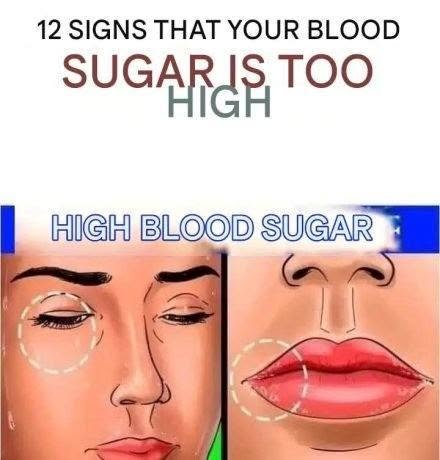

High blood sugar, also known as hyperglycemia, occurs when too much glucose builds up in your bloodstream.
It can happen when your body does not produce enough insulin or cannot use insulin effectively. High blood sugar is commonly associated with diabetes, but it can also occur during illness, stress, or as a side effect of certain medications.
The worrying part is that blood sugar can remain high for a long time without obvious symptoms.
Recognizing the warning signs early can help prevent serious complications involving your heart, kidneys, eyes, nerves, and blood vessels.
12 Key Symptoms of High Blood Sugar
1. Frequent Urination
Are you visiting the bathroom more often than usual, especially at night?
When blood glucose becomes too high, your kidneys try to remove excess glucose through urine. This causes increased urination.
2. Excessive Thirst
Feeling thirsty even after drinking plenty of water can be an important warning sign.
Frequent urination causes fluid loss, making your body crave more water.
3. Constant Hunger
You may feel hungry shortly after eating.
When insulin is insufficient or ineffective, glucose cannot enter cells efficiently, leaving your body struggling to use energy properly.
4. Unusual Fatigue and Weakness
High blood sugar can make you feel exhausted, sluggish, and lacking in energy.
If glucose cannot be used effectively by your cells, you may experience persistent tiredness.
5. Blurred Vision
Sudden or temporary changes in blood sugar can affect the fluid balance in your eyes, causing blurred vision.
Persistent high blood sugar can eventually damage the blood vessels in the retina.
6. Slow-Healing Wounds
Cuts, scratches, and minor injuries may take longer to heal.
High blood sugar can impair circulation, immune function, and the body’s normal healing processes.
7. Frequent Infections
Repeated infections may be associated with uncontrolled blood sugar.
These can include:
-
Urinary tract infections.
-
Skin infections.
-
Fungal infections.
-
Recurrent genital yeast infections.
8. Tingling or Numbness in Hands and Feet
Persistent high blood sugar can damage nerves over time.
You may experience burning, tingling, numbness, or reduced sensation, particularly in your feet.
9. Dry and Itchy Skin
Dehydration caused by frequent urination can make your skin dry and uncomfortable.
Some people also experience itching associated with skin infections or circulation problems.
10. Unexplained Weight Loss
Losing weight without changing your diet or exercise routine can be a warning sign.
When your body cannot use glucose effectively, it may begin breaking down stored fat and muscle for energy.
11. Headaches and Difficulty Concentrating
Significantly elevated blood sugar can contribute to headaches, tiredness, and difficulty focusing.
These symptoms should not automatically be attributed to high blood sugar without testing.
12. Nausea, Vomiting, and Abdominal Pain
These symptoms can indicate a dangerous complication called diabetic ketoacidosis (DKA), particularly when accompanied by excessive thirst, frequent urination, or rapid breathing.
Medical emergencySeek emergency medical care if you experience vomiting, abdominal pain, fruity-smelling breath, deep or rapid breathing, severe dehydration, or confusion. These can be warning signs of DKA.
What Causes High Blood Sugar?
Some common causes include:
-
Insufficient insulin production.
-
Insulin resistance.
-
Eating more carbohydrates than your body can manage.
-
Physical inactivity.
-
Emotional or physical stress.
-
Infections and illnesses.
-
Certain medications, especially corticosteroids.
-
Missing prescribed diabetes medication.
Who Is at Higher Risk?
You may have a higher risk of developing high blood sugar if you:
-
Have a family history of diabetes.
-
Are overweight or have abdominal obesity.
-
Have high blood pressure.
-
Have previously been diagnosed with prediabetes.
-
Have a sedentary lifestyle.
-
Have a history of gestational diabetes.
-
Have polycystic ovary syndrome (PCOS).
How Can You Check Your Blood Sugar?
A blood test can help determine whether your glucose levels are elevated.
| Test | What it measures |
|---|---|
| Fasting blood glucose | Blood sugar after at least 8 hours without food |
| HbA1c | Average blood sugar over approximately 2–3 months |
| Random blood glucose | Blood sugar at any time |
| Oral glucose tolerance test | How your body processes glucose after a glucose drink |
Common Blood Sugar Reference Levels
| Test | Normal | Diabetes range |
|---|---|---|
| Fasting glucose | Below 100 mg/dL | 126 mg/dL or higher |
| HbA1c | Below 5.7% | 6.5% or higher |
| 2-hour glucose tolerance test | Below 140 mg/dL | 200 mg/dL or higher |
Diabetes diagnosis generally requires confirmation with repeat testing unless there are clear symptoms and unequivocal high blood glucose.
7 Healthy Habits to Help Control Blood Sugar
-
Reduce sugary drinks: Limit soft drinks, packaged juices, and sweetened beverages.
-
Choose high-fiber foods: Include vegetables, beans, lentils, and whole grains.
-
Exercise regularly: Aim for at least 150 minutes of moderate physical activity per week, if medically appropriate.
-
Control portion sizes: Avoid excessively large meals.
-
Stay hydrated: Drink sufficient water throughout the day.
-
Prioritize sleep: Aim for 7–9 hours of sleep each night.
-
Monitor your blood sugar: Follow your healthcare professional’s testing recommendations.
Final Thoughts
High blood sugar is not something you should ignore.
Frequent urination, excessive thirst, constant hunger, blurred vision, unexplained weight loss, and persistent fatigue may be your body’s way of signaling a problem.
However, some people with diabetes experience no noticeable symptoms at all.
The most important step is not guessing based on symptoms. It is checking your blood sugar and getting the right medical advice.
Early detection, healthy lifestyle choices, and appropriate treatment can help protect your long-term health.
Disclaimer: This article is for educational purposes only and is not a substitute for professional medical advice or diagnosis.