
As autumn arrives, the days become shorter, temperatures begin to change, and the atmosphere inside our homes takes on a different feeling. While we enjoy the beauty of the changing season, our houseplants may experience a little difficulty adjusting.
You might notice that your favorite indoor flowers are losing their brightness, their leaves are turning yellow, or their blossoms are fading faster than usual. Some plants may even stop producing new flowers.
But don’t worry! Autumn doesn’t have to mean the end of beautiful indoor flowers. With a few simple adjustments, you can help your plants remain healthy, vibrant, and full of life throughout the season.
The real secret isn’t an expensive fertilizer or a complicated gardening technique. It’s understanding what your plants need as the seasons change.
1. Understand Why House Flowers Change in Autumn
During autumn, plants receive different amounts of natural light, and indoor temperatures may fluctuate more frequently.
These environmental changes can affect their growth.
Some common signs include:
-
Yellowing leaves.
-
Slower growth.
-
Dropping flower buds.
-
Dry or brown leaf edges.
-
Soil taking longer to dry.
-
Reduced flowering.
Remember that some plants naturally enter a slower growth period during autumn and winter. This doesn’t necessarily mean they are unhealthy.
2. Give Your Plants the Right Amount of Light
One of the biggest secrets to maintaining beautiful indoor flowers is proper lighting.
As daylight hours become shorter, plants near windows may receive less sunlight than they did during summer.
Try these simple adjustments:
-
Move light-loving plants closer to bright windows.
-
Rotate pots occasionally so plants receive more even light.
-
Keep leaves clean so they can absorb available light efficiently.
-
Avoid placing plants directly against cold window glass.
-
Use a suitable grow light if natural light is insufficient.
Different plants have different lighting requirements. African violets, orchids, and peace lilies, for example, should not all receive the same amount of direct sunlight.
3. The Little Secret: Check the Soil Before Watering
Here’s one of the most important autumn gardening tricks: stop watering your plants according to a fixed summer schedule.
When temperatures decrease and daylight becomes limited, many indoor plants use water more slowly.
Watering too frequently can cause soggy soil, root damage, and fungal problems.
Instead:
-
Touch the top layer of soil before watering.
-
Check the moisture level a little deeper when necessary.
-
Water when appropriate for the particular plant.
-
Make sure excess water can drain away.
-
Empty standing water from decorative saucers.
This simple habit can prevent many common houseplant problems.
4. Use Gentle Fertilization
During periods of active growth, plants need nutrients to develop healthy leaves, roots, and flowers.
However, many houseplants require less fertilizer as their growth slows in autumn.
A balanced, suitable houseplant fertilizer can help actively growing plants, but excessive feeding may damage their roots.
Follow the fertilizer label and avoid fertilizing plants that are dormant, stressed, or suffering from root problems.
Remember: More fertilizer does not automatically mean more flowers.
5. Remove Dead Leaves and Faded Flowers
A little regular grooming can make a noticeable difference in the appearance of indoor plants.
Dead leaves and faded flowers can make otherwise healthy plants look neglected.
Here’s what you can do:
-
Remove completely dead leaves.
-
Cut away faded flower stems where appropriate.
-
Use clean, sharp pruning scissors.
-
Remove damaged plant material carefully.
-
Check underneath leaves for insects.
Avoid cutting healthy stems unnecessarily, especially when plants are entering their natural resting period.
6. Maintain the Right Indoor Temperature
Indoor flowers can be sensitive to sudden temperature changes.
Cold drafts, heating appliances, and extreme temperature fluctuations may stress certain plants.
Try to:
-
Keep plants away from cold drafts.
-
Avoid placing pots directly beside radiators.
-
Maintain a reasonably stable indoor temperature.
-
Protect tropical plants from chilly windows.
-
Avoid sudden changes in their environment.
Many tropical houseplants prefer consistently warm conditions, while some flowering plants benefit from cooler seasonal temperatures.
7. Don’t Forget About Humidity
Indoor heating can make the air dry, which may affect tropical houseplants.
You might notice brown leaf tips, curled leaves, or dry-looking foliage.
To help:
-
Group plants with similar humidity requirements.
-
Use a clean room humidifier if needed.
-
Keep plants away from direct hot-air vents.
-
Monitor humidity with a simple hygrometer.
Misting leaves is not a reliable long-term solution for increasing humidity and may encourage leaf diseases in certain conditions.
8. Give Your Plants a Gentle Cleaning
Dust can accumulate on indoor leaves, especially when windows remain closed for longer periods.
Gently wiping suitable leaves with a soft, damp cloth can improve their appearance.
Use plain water and avoid applying household cleaning products, cooking oils, or homemade chemical mixtures.
For delicate or fuzzy leaves, follow the care recommendations for that particular plant.
9. Watch Out for Common Autumn Pests
As the weather changes, some insects may become more noticeable on indoor plants.
Common pests include:
-
Spider mites.
-
Mealybugs.
-
Aphids.
-
Whiteflies.
-
Fungus gnats.
Inspect leaves, stems, and the surface of the soil regularly.
If you notice pests, isolate the affected plant and identify the insect before choosing an appropriate treatment.
Avoid spraying random household chemicals on your flowers because they may damage the leaves or roots.
10. Which Indoor Flowers Can Brighten Your Home in Autumn?
Some houseplants can provide beautiful flowers even when outdoor temperatures begin to change.
Consider these options:
-
African violet: Known for its colorful flowers and suitability for bright, indirect light.
-
Phalaenopsis orchid: Produces elegant flowers and prefers bright, indirect lighting.
-
Peace lily: Offers attractive white flower-like structures and tolerates lower light, although it still needs adequate brightness.
-
Anthurium: Produces colorful, long-lasting flower-like structures under suitable indoor conditions.
-
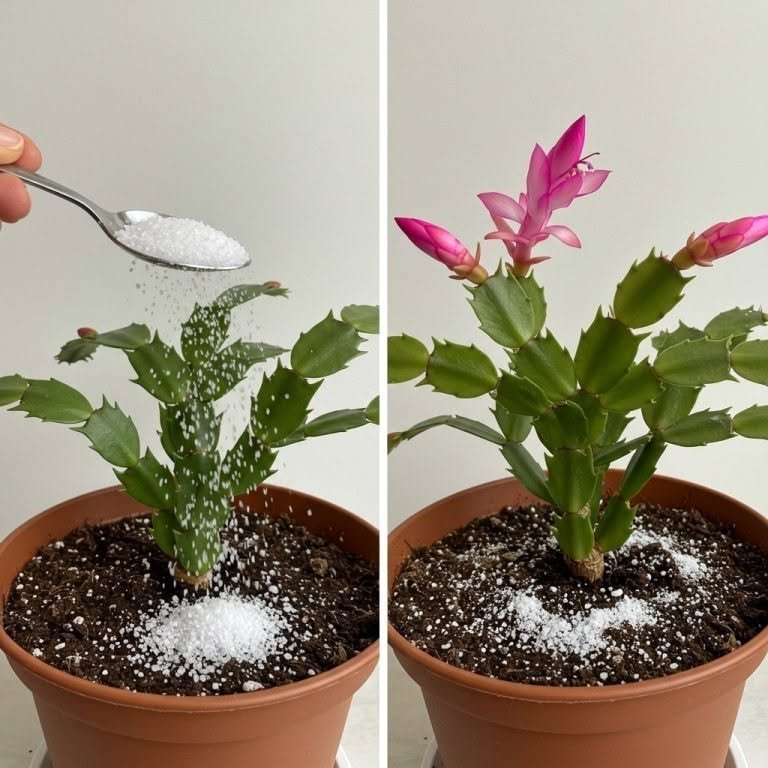
Christmas cactus: Can produce beautiful seasonal blooms when given appropriate light and temperature conditions.
Choose plants according to your home’s lighting, temperature, and available space.
11. Create a Simple Autumn Plant-Care Routine
You don’t need to spend hours caring for your flowers.
A few regular checks can help you notice problems before they become serious.
Every week:
-
Check soil moisture.
-
Inspect leaves for pests.
-
Remove dead leaves.
-
Check that drainage holes are clear.
-
Observe changes in growth.
Every month:
-
Clean dusty leaves when appropriate.
-
Review lighting conditions.
-
Check whether plants need repotting.
-
Adjust fertilizer according to growth and plant requirements.
Avoid repotting healthy plants unnecessarily, particularly when they are growing slowly.
Final Thoughts: Let Your Flowers Enjoy a New Season
Autumn is not the end of your indoor garden’s beauty. It is simply a time when your plants may need a different kind of attention.
The little secret is learning to observe your flowers instead of following the same watering and feeding routine throughout the year.
Give them appropriate light, water carefully, maintain comfortable temperatures, and pay attention to their individual needs.
With patience and consistent care, your houseplants can remain healthy and attractive even as the seasons change.
Remember: Beautiful flowers don’t grow because we give them more of everything. They flourish when we give them exactly what they need.