
Vitamin B12 is an essential nutrient that helps your body produce healthy red blood cells, maintain nerve function, support brain health, and make DNA.
When your body does not get enough vitamin B12, it can affect your energy levels, memory, mood, balance, and nervous system.
The dangerous part? Vitamin B12 deficiency can develop slowly, and some symptoms may be mistaken for ordinary tiredness or stress. If left untreated, it can cause permanent nerve damage.
15 Warning Signs of Vitamin B12 Deficiency
1. Constant Fatigue and Weakness
Feeling tired even after a full night’s sleep can be an early warning sign. B12 deficiency can cause anemia, reducing the amount of oxygen delivered to your body’s tissues.
2. Tingling or Numbness in Hands and Feet
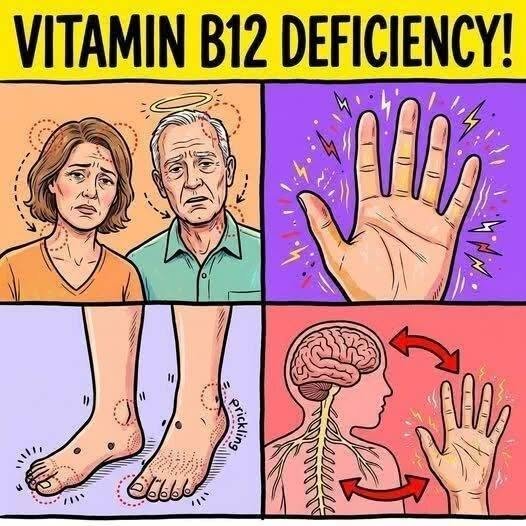
A pins-and-needles sensation, burning, or numbness in your fingers, toes, hands, or feet may indicate nerve damage.
3. Dizziness and Lightheadedness
You may experience dizziness, weakness, or a feeling that you might faint, particularly if you develop anemia.
4. Memory Problems and Brain Fog
Difficulty concentrating, forgetfulness, confusion, and trouble remembering everyday information can sometimes be associated with B12 deficiency.
5. Pale or Yellowish Skin
Vitamin B12 deficiency can cause anemia, making your skin appear unusually pale. Some people develop a slight yellowish appearance.
6. Swollen or Sore Tongue
Your tongue may become red, smooth, swollen, or painful. You might also experience mouth ulcers or a burning sensation.
7. Shortness of Breath
When B12 deficiency causes anemia, you may become breathless during everyday activities because your blood carries less oxygen.
8. Heart Palpitations
You may notice your heart beating unusually fast, pounding, or fluttering. This can happen when anemia makes your heart work harder.
9. Mood Changes and Depression
Low B12 levels may be associated with irritability, anxiety, low mood, and depressive symptoms.
10. Difficulty Walking or Maintaining Balance
Nerve damage can affect coordination, making walking difficult or causing unsteadiness.
11. Muscle Weakness
You may experience unusual weakness in your arms or legs, making ordinary physical activities more difficult.
12. Vision Problems
In rare cases, severe B12 deficiency can affect the optic nerve, causing blurred or disturbed vision.
13. Digestive Problems
Some people experience:
-
Loss of appetite
-
Nausea
-
Diarrhea or constipation
-
Unexplained weight loss
14. Cold Hands and Feet
Anemia associated with B12 deficiency can contribute to feeling unusually cold, especially in your hands and feet.
15. Difficulty Remembering Words or Thinking Clearly
Severe deficiency can affect cognitive function, leading to confusion, slower thinking, and difficulty finding the right words.
Who Is at Higher Risk of Vitamin B12 Deficiency?
Certain people are more likely to develop low B12 levels:
-
People following strict vegetarian or vegan diets.
-
Adults over 60 years of age.
-
People with digestive conditions that affect nutrient absorption.
-
Individuals who have undergone stomach or intestinal surgery.
-
People taking metformin for diabetes.
-
People taking acid-reducing medications for long periods.
-
Individuals with pernicious anemia.
What Causes Vitamin B12 Deficiency?
Common causes include:
-
Insufficient vitamin B12 in the diet.
-
Poor absorption of vitamin B12 in the digestive system.
-
Pernicious anemia, an autoimmune condition affecting B12 absorption.
-
Certain stomach and intestinal disorders.
-
Long-term use of certain medications.
How Can You Confirm Vitamin B12 Deficiency?
A blood test is the best way to investigate suspected deficiency.
Your healthcare professional may recommend:
-
Complete Blood Count (CBC): Checks for anemia and changes in red blood cells.
-
Serum Vitamin B12: Measures vitamin B12 levels.
-
Methylmalonic Acid (MMA): Helps identify functional B12 deficiency, particularly when B12 results are borderline.
-
Homocysteine: May provide additional information.
Foods That Help Increase Vitamin B12
Good dietary sources include:
-
Eggs
-
Milk and yogurt
-
Fish
-
Chicken
-
Beef
-
Liver
-
Cheese
-
Vitamin B12-fortified cereals and plant-based milk
People with absorption problems may need vitamin B12 supplements or injections rather than dietary changes alone.
When Should You Seek Medical Attention?
Do not ignore these symptomsSeek medical assessment if you experience persistent numbness, tingling, unexplained weakness, memory changes, or difficulty walking.
Seek urgent medical attention for sudden vision changes, severe confusion, fainting, chest pain, or significant breathing difficulties.
Important: Neurological damage from vitamin B12 deficiency can become irreversible if treatment is delayed. Early diagnosis and appropriate treatment can prevent many complications.
Final Thoughts
Vitamin B12 deficiency is treatable, but recognizing the warning signs early is extremely important.
Persistent fatigue, numbness, memory problems, balance difficulties, and unexplained weakness should never be dismissed.
Listen to your body, get appropriate blood tests, and consult a healthcare professional rather than starting high-dose supplements without identifying the cause.
Your health matters. Never ignore symptoms that your body may be trying to communicate.